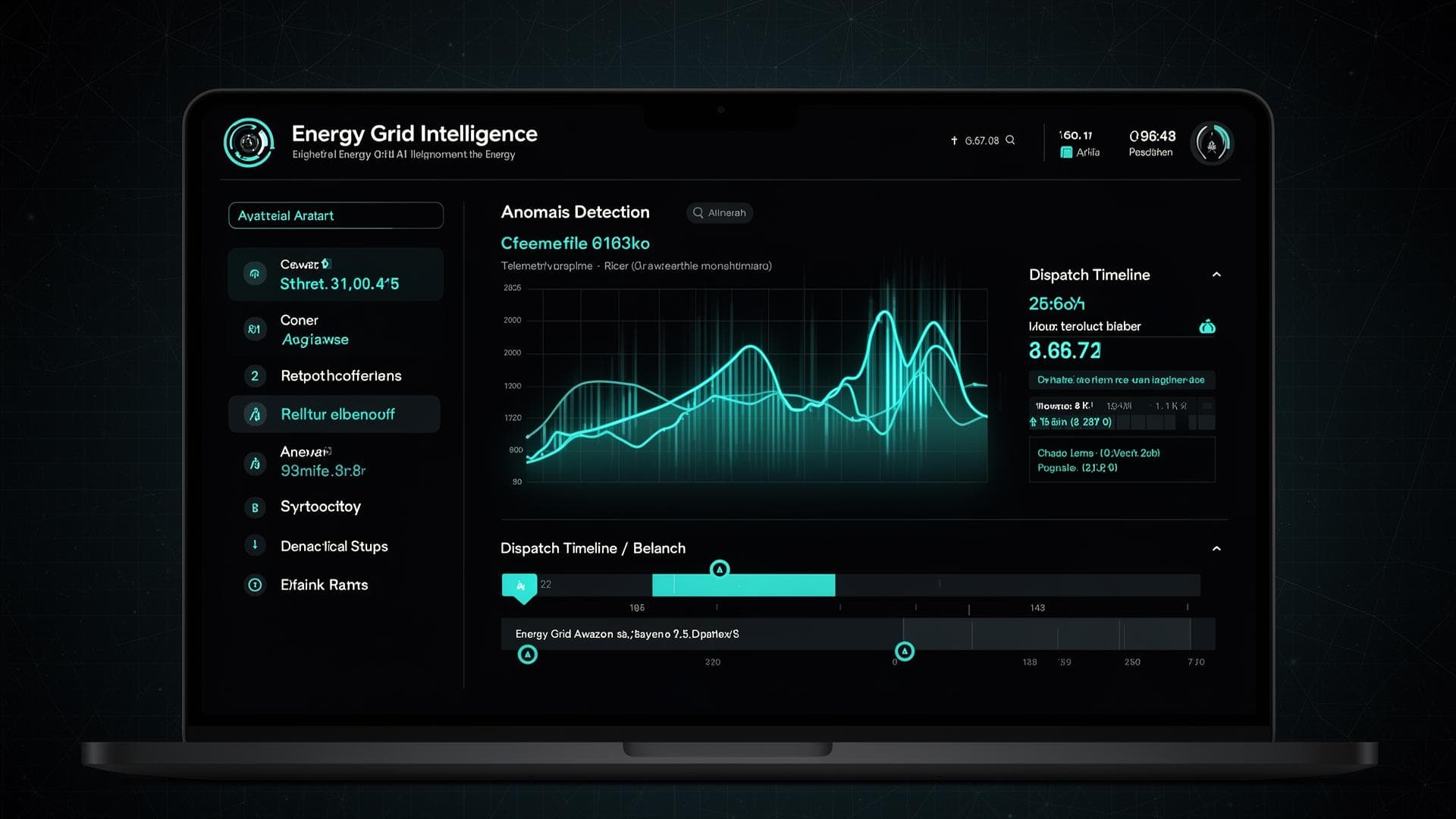
ShedSense demonstrates the software path between distributed field equipment and an operator. Readings enter through a device-facing boundary, move over MQTT, pass through processing and rules, and become status, alerts and a time-ordered incident history.
Keep the device boundary away from the dashboard
A browser should not be the telemetry transport. Decoupling ingestion from the interface allows devices to publish without an active operator session and lets the dashboard evolve without changing device contracts.
Preserve events, not only current state
Current state answers “what is happening now?” An ordered event history answers “what happened before the alert?” ShedSense retains the distinction because incident review needs sequence and context, not just the latest value.
Assume connectivity varies
Field messages and user interfaces do not always share a continuous connection. Device identity, timestamps, sequence information and replay-aware consumers help the system distinguish a late reading from a new condition. The precise retry and buffering policy depends on the device and operating risk.
Design the interface around response
An alert should expose equipment identity, time, condition and a path to more context. Historical drilldown supports diagnosis; acknowledgement and ownership support action. Decorative real-time motion is less important than a clear operational state.